


The word “Karoo” is derived from an ancient San term often translated as “Land of Great Thirst” — a reflection of the region’s semi-arid climate, vast open spaces, and long relationship with scarcity, adaptation, and survival.
The Klein Karoo forms the southern section of this broader landscape: a remarkable 350-kilometre valley stretching between Montagu and Uniondale, enclosed by the Swartberg Mountains to the north and the Langeberg and Outeniqua ranges to the south. This mountain-defined geography gives the region its distinctive character — isolated, mineral-rich, climatically varied, and ecologically exceptional.

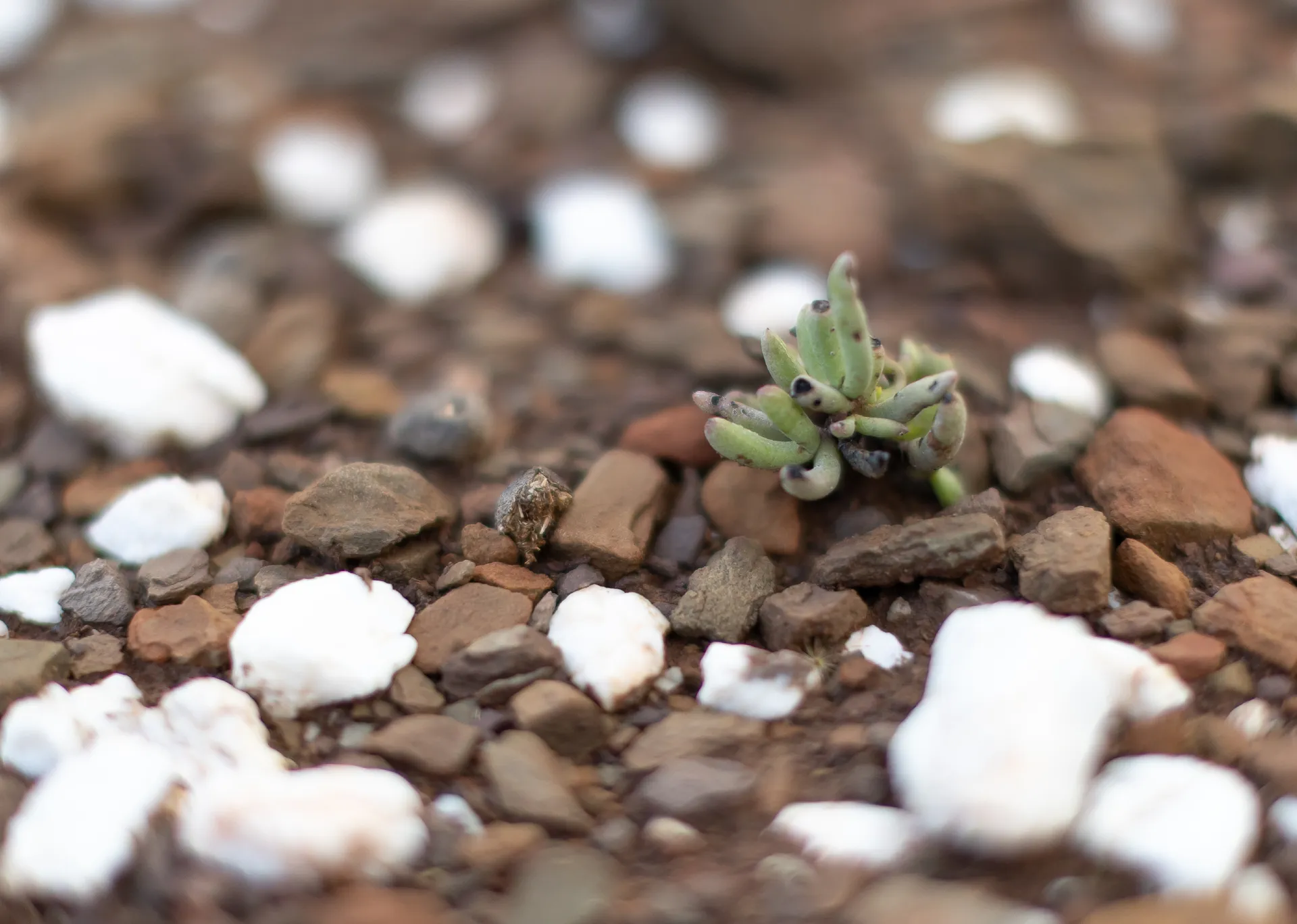
Although semi-arid, the Klein Karoo supports one of the richest concentrations of succulent plant diversity anywhere in the world. The region sits at the intersection of the Succulent Karoo biome and the Cape Floristic Region, creating a rare ecological transition zone where fynbos and succulent species occur naturally alongside one another. More than 5,000 succulent species have been recorded across southern Africa, with a significant concentration found within the Klein Karoo itself.
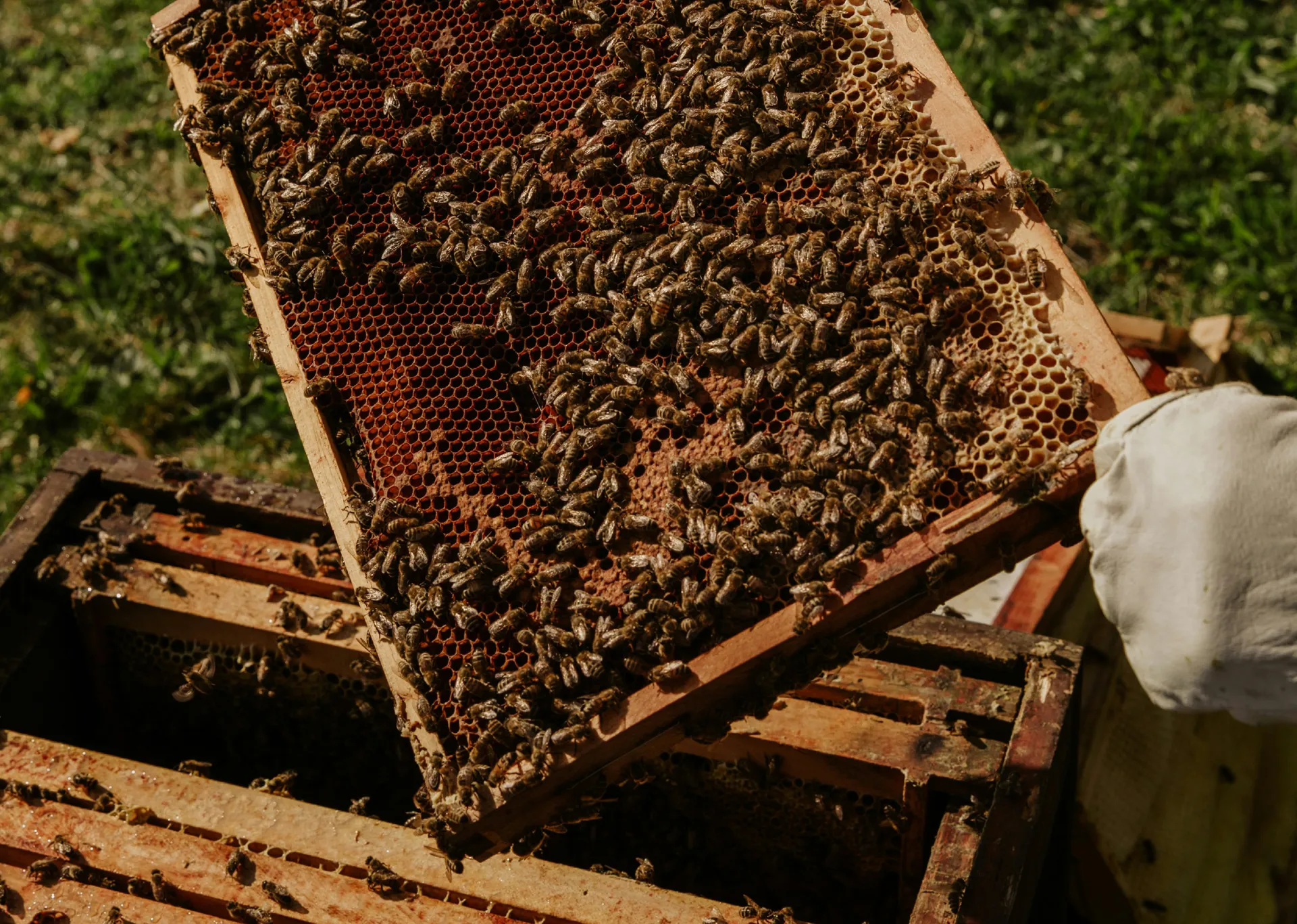
Beyond its ecological significance, the Klein Karoo also carries a rich agricultural and cultural history shaped by generations of farming, migration, trade routes, and small rural settlements scattered across the valley. Route 62 — which passes through much of the region — connects historic wine farms, fruit-growing valleys, ostrich country, mountain passes, and small Karoo towns that remain deeply tied to the rhythms of the landscape.
The region is known not only for its biodiversity, but also for its quality of light, dramatic seasonal contrasts, expansive skies, and a pace of life shaped by climate, distance, and the realities of living within a demanding environment.
At Aardvark Bioreserve, the Klein Karoo is experienced not simply as scenery, but as a living ecological and cultural landscape — one defined equally by geology, biodiversity, agriculture, and human resilience over time.