

A BIORESERVE,
BY DESIGN.
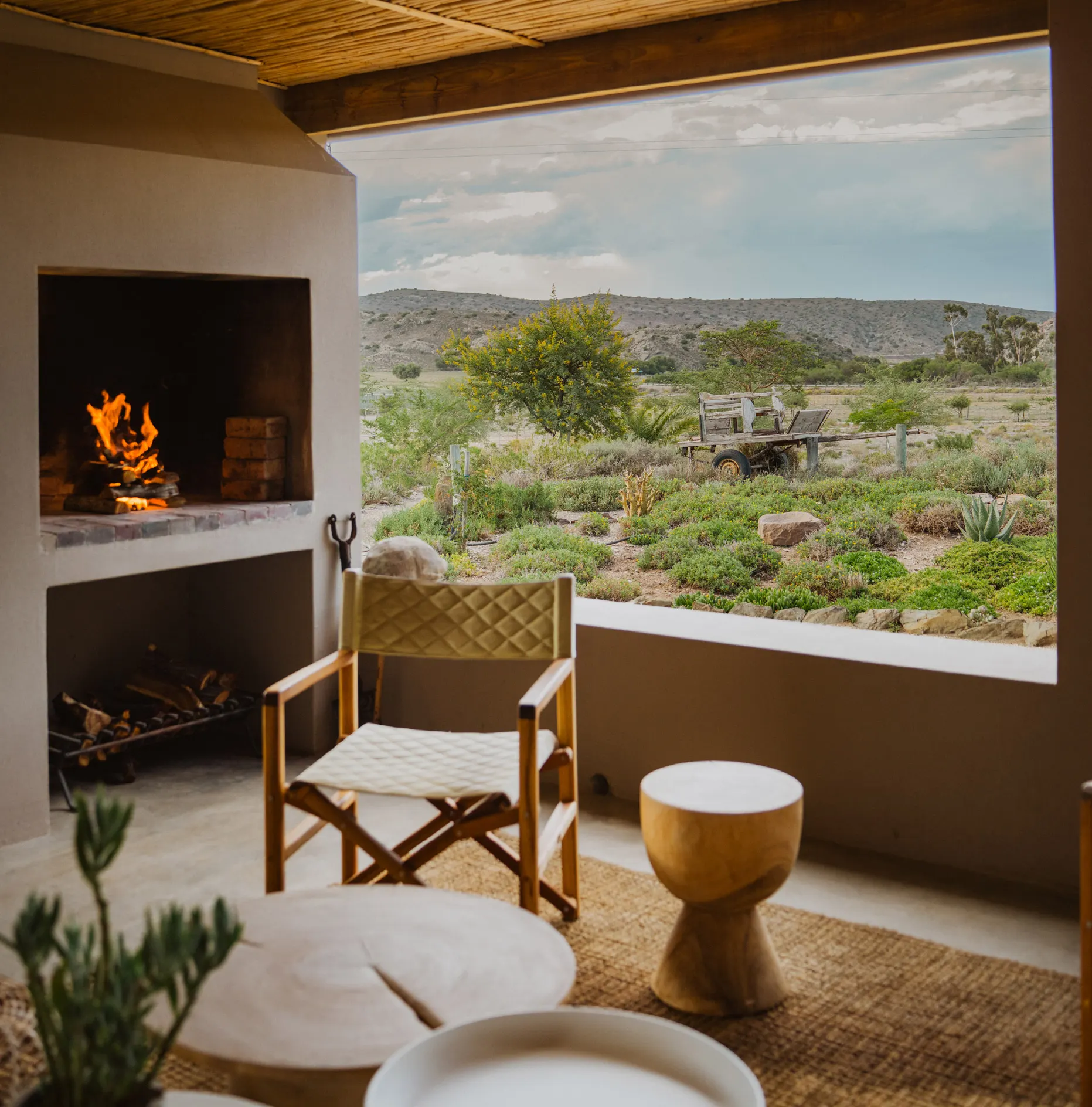
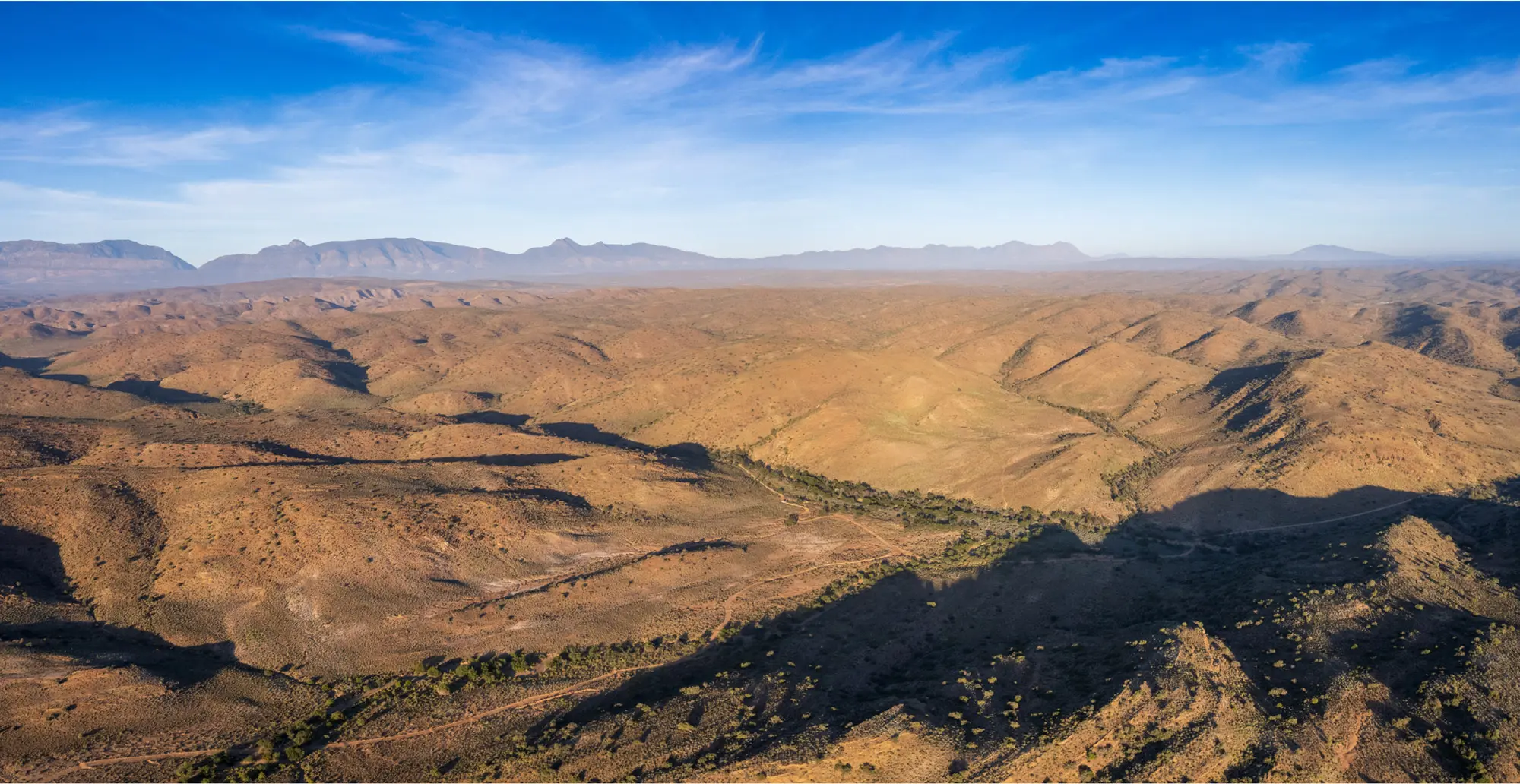
Aardvark Bioreserve was established on the principle that conservation and hospitality should operate as part of the same ecological system rather than as separate activities. From the outset, the objective was not to create a conventional nature reserve, but a functioning bioreserve where habitat restoration, regenerative land management, biodiversity protection, and low-impact hospitality coexist within a single landscape.
This philosophy informs the management of the reserve at every level — from water systems, vegetation rehabilitation, and the protection of indigenous succulent habitats to the scale, placement, and experience of guest accommodation within the Karoo environment.
A different kind
of reserve
Restore. Protect. Enjoy
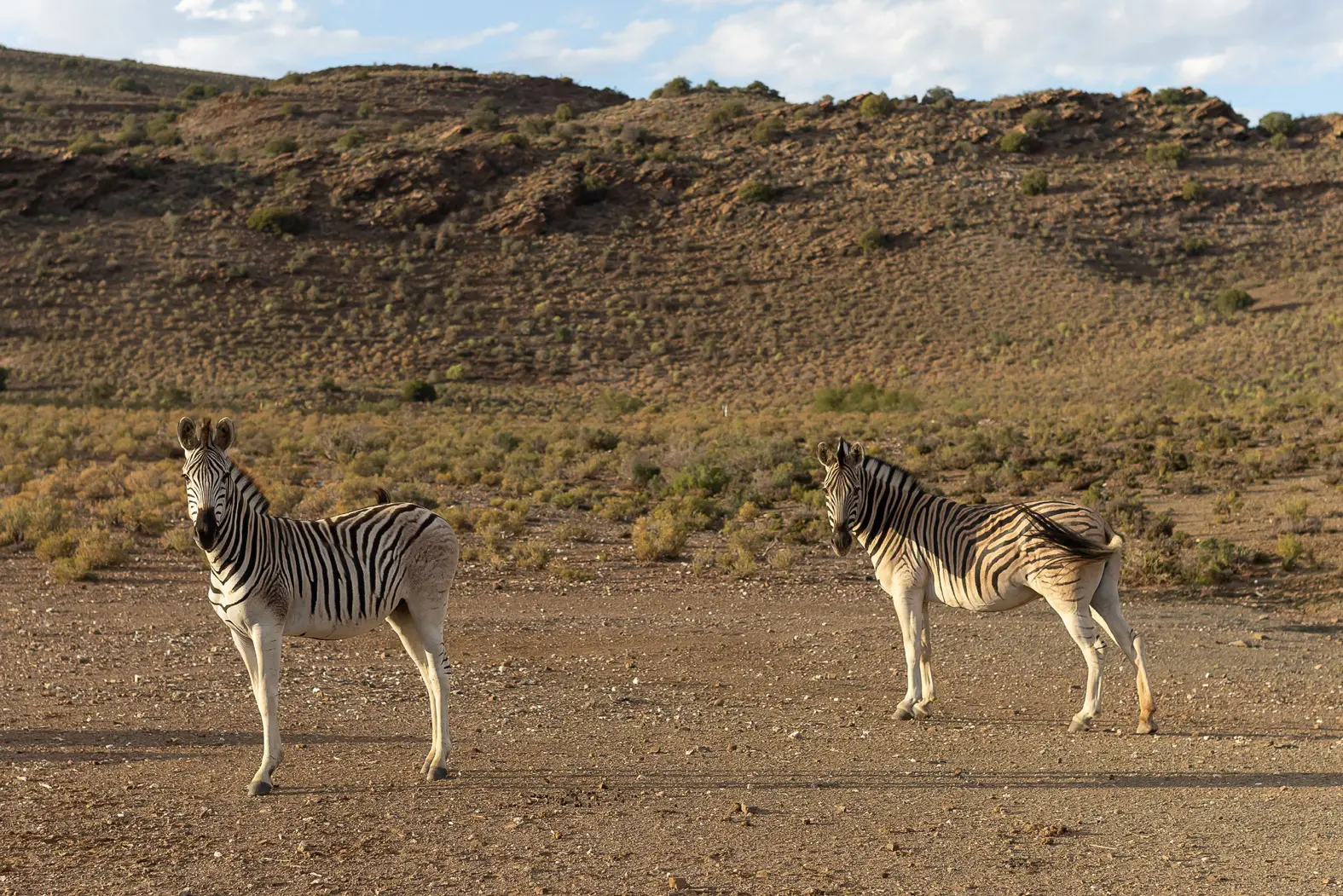
Unlike a conventional reserve focused primarily on preservation, a bioreserve requires active and ongoing ecological management. At Aardvark, the emphasis is placed on habitat rehabilitation, biodiversity protection, responsible water systems, regenerative land practices, and the long-term resilience of the Succulent Karoo environment.
This involves working with the natural processes of the landscape rather than imposing rigid systems upon it — allowing vegetation, wildlife, soil health, and sensitive micro-habitats to recover and stabilise over time. The reserve is managed with a long-term perspective, where hospitality forms part of a broader commitment to the stewardship of the land itself.
Guided by Global
Principles
Aardvark forms part of a broader international network of conservation-led organisations and nature-based destinations committed to long-term environmental stewardship.
Aardvark supports environmental initiatives through its membership of The Long Run, an international community of nature-based properties guided by an integrated framework for conservation, culture, community, and sustainable hospitality.
These affiliations reflect Aardvark’s commitment to operating as a responsible and ecologically grounded reserve within the Succulent Karoo.

AT THE CENTRE OF THIS IS THE FOUR C’S PHILOSOPHY
Number One
Conservation
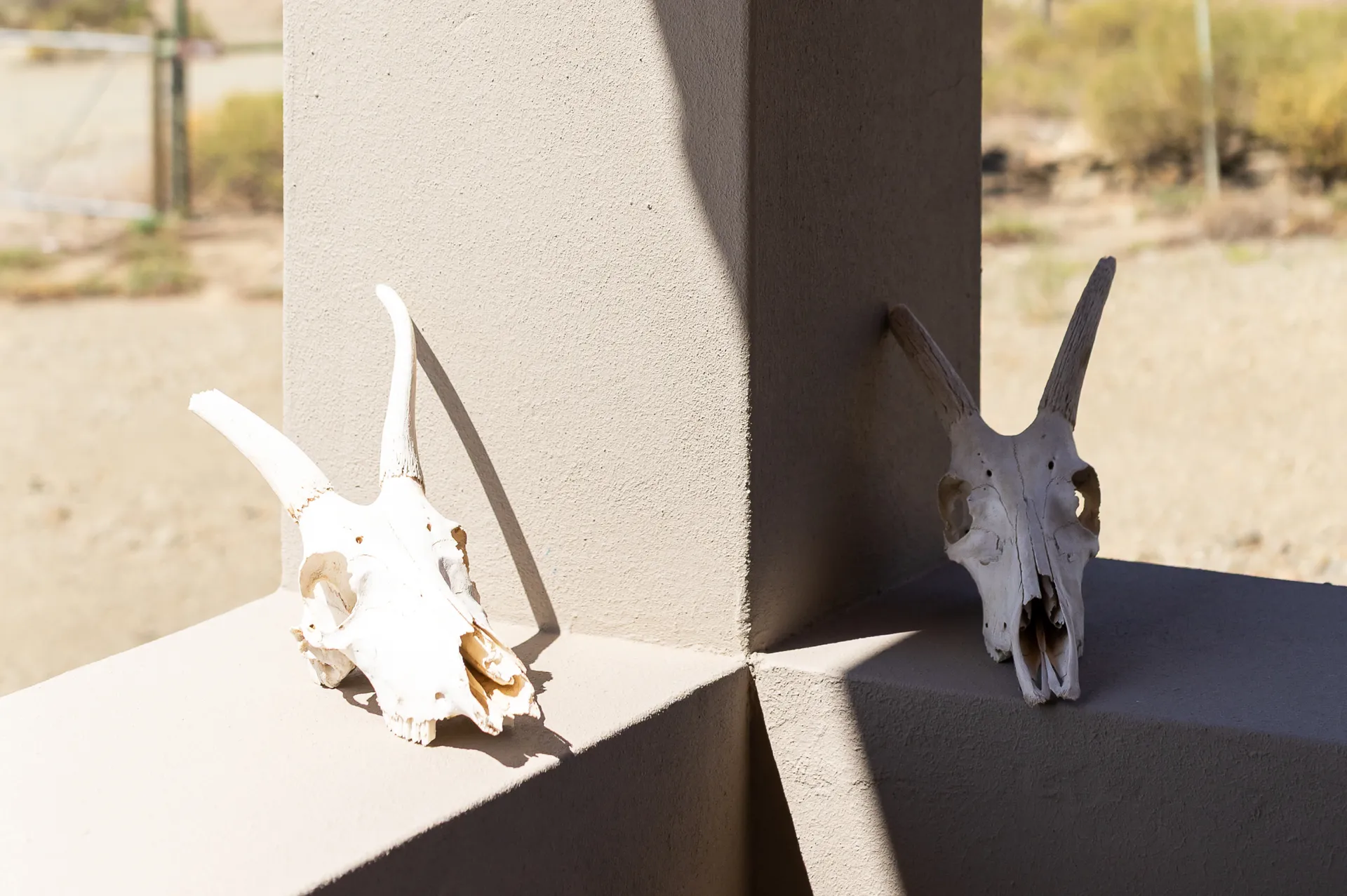
Protecting and restoring the ecological integrity of the Succulent Karoo.
Number Three
Culture
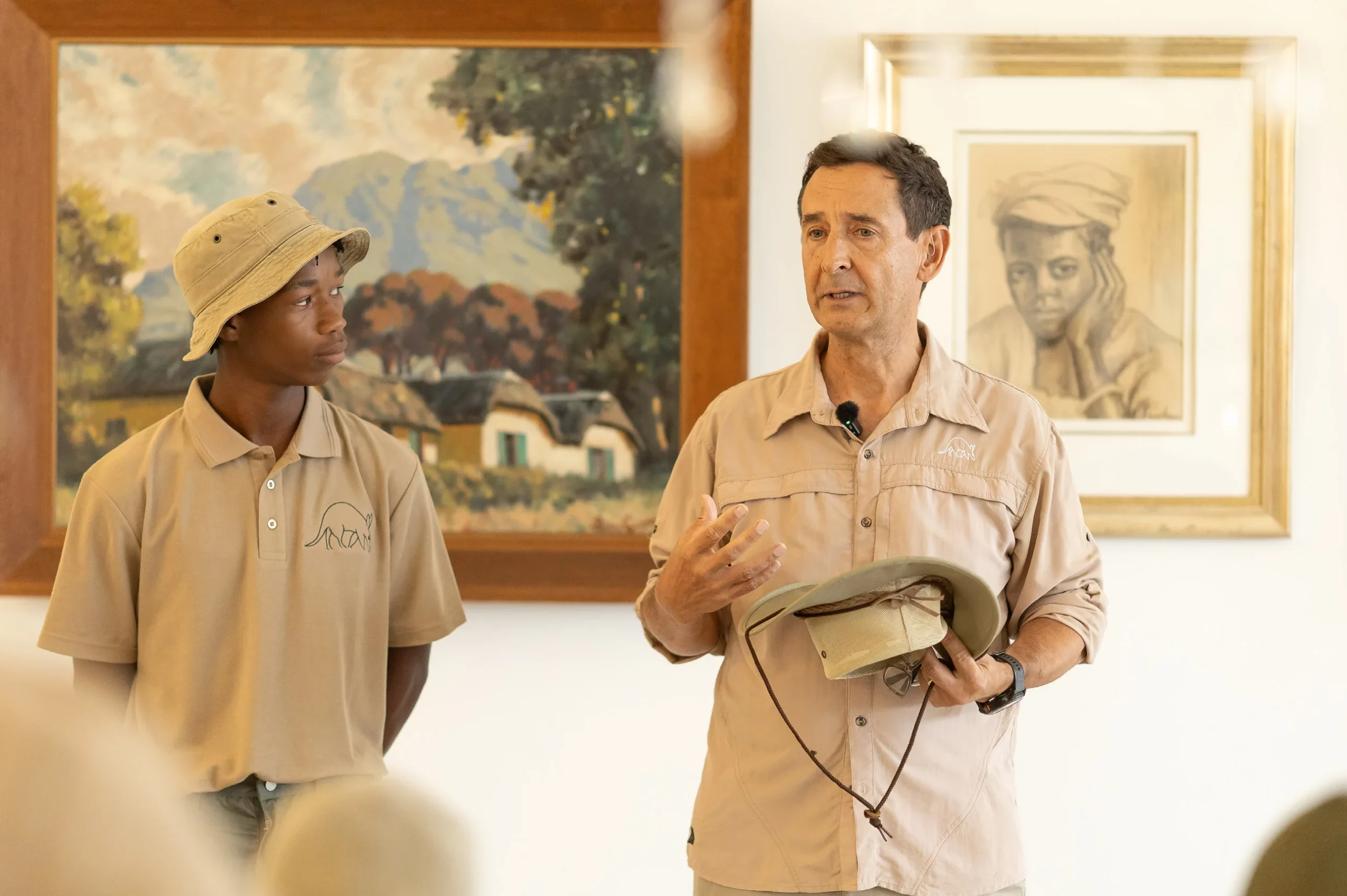
Respecting and reflecting regional heritage.
Number Two
Community
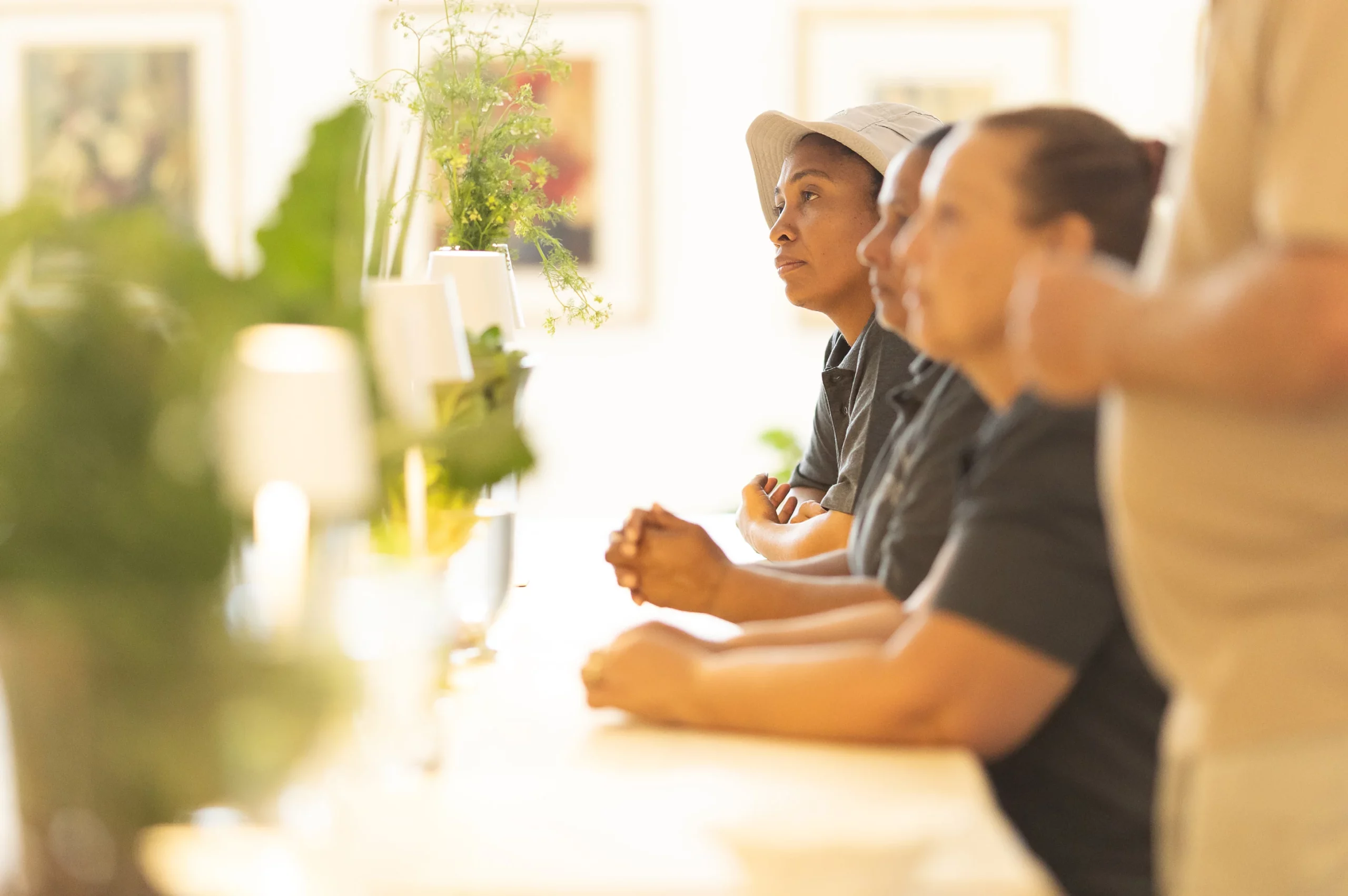
Supporting local knowledge, skills, and long-term regional relationships.
Number Four
Commerce
Ensuring the reserve is economically sustainable.
Number One
Conservation
Protecting and restoring the ecological integrity of the Succulent Karoo.
Number Three
Culture
Reflecting the character, heritage, and creative identity of the Klein Karoo.
Number Two
Community
Supporting local knowledge, skills, and long-term regional relationships.
Number Four
Commerce
Ensuring the reserve remains financially sustainable for future generations.
these principles guide
how aardvark operates.
Not as branding language, but as a practical framework that informs the long-term management of the reserve — from conservation and hospitality to architecture, food systems, and guest experience.
Protecting a
Unique landscape
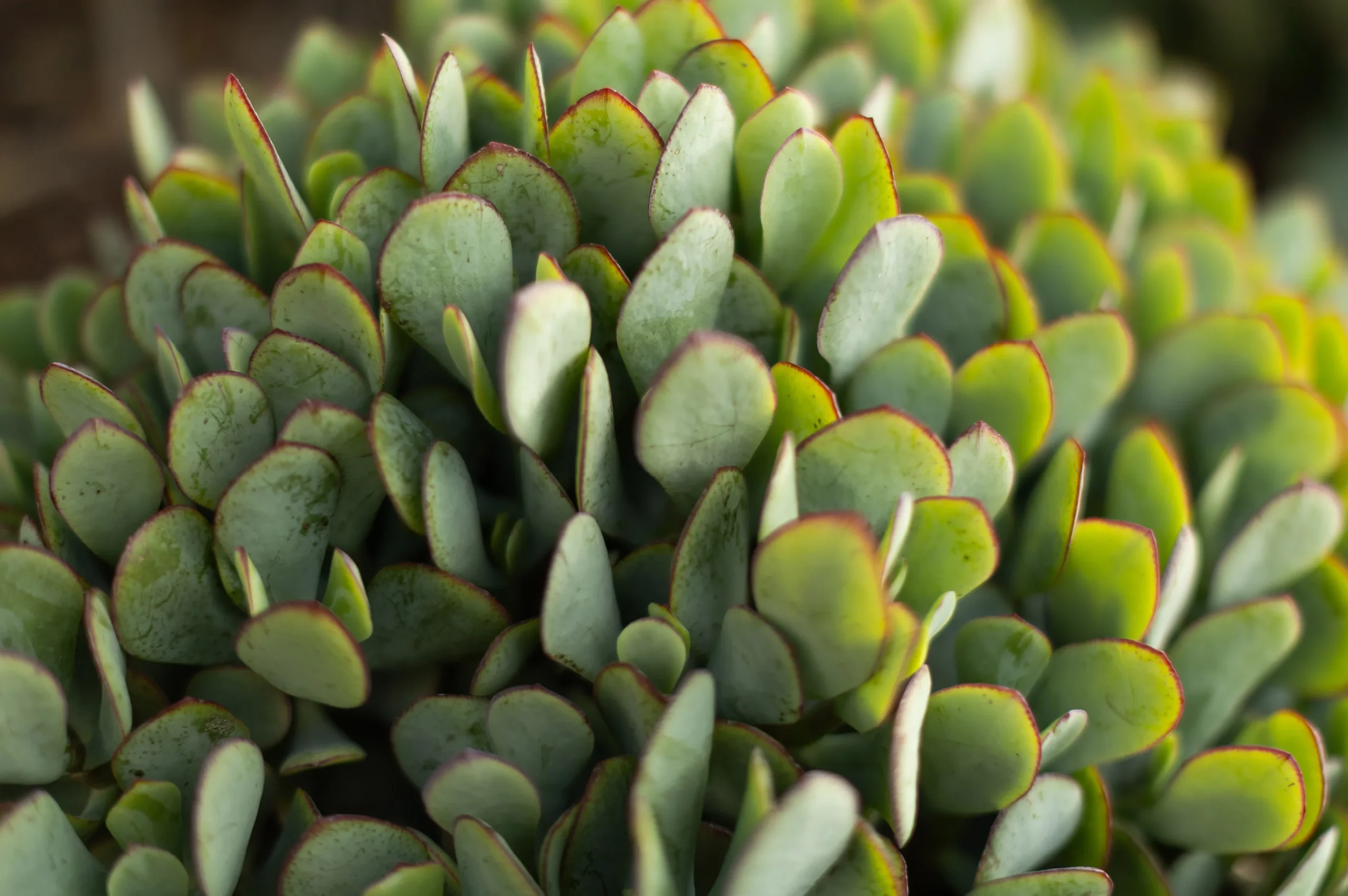
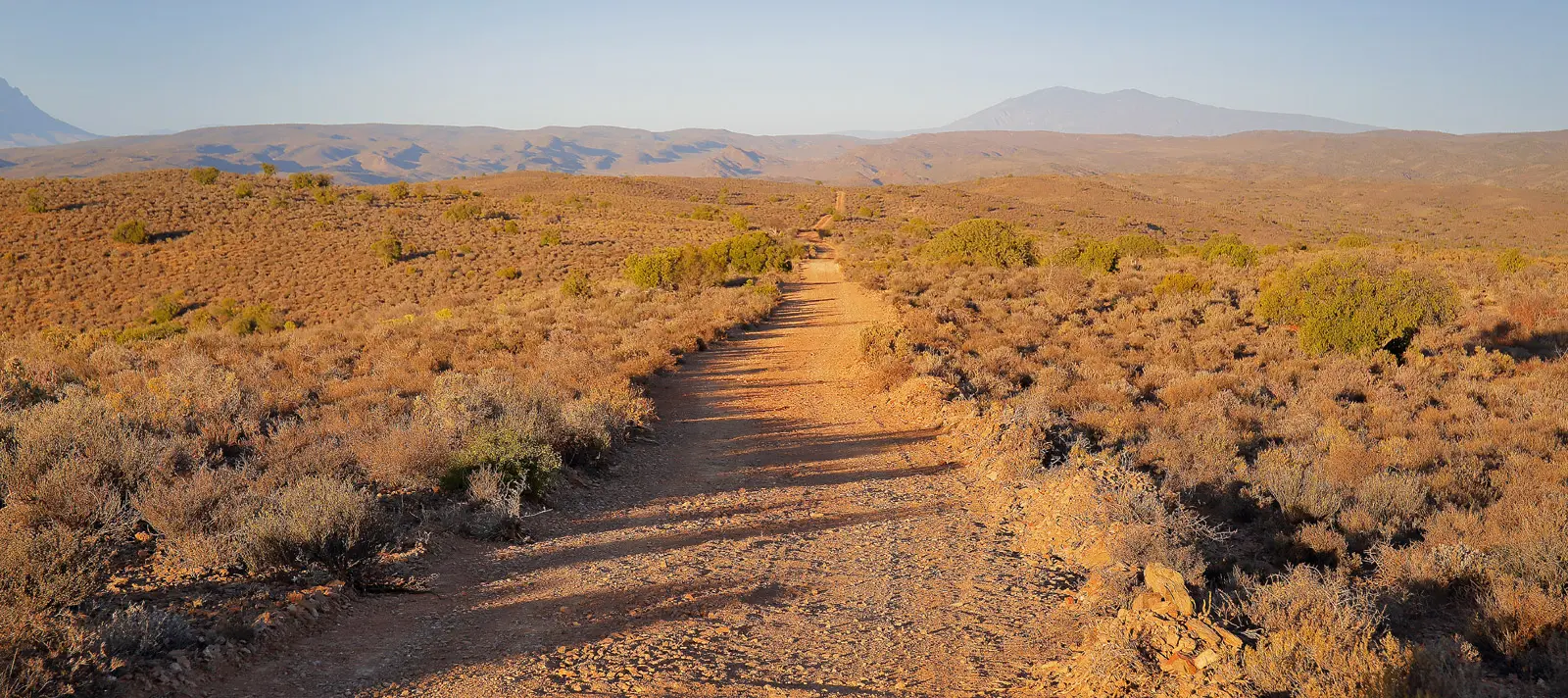
The Klein Karoo forms part of the Succulent Karoo biome — one of the world’s most botanically significant arid regions, recognised for its extraordinary concentration of endemic succulent species and highly specialised plant communities.
Maintaining the resilience of this landscape requires active, long-term ecological management. Across the reserve, conservation efforts focus on the restoration and protection of sensitive habitats, soil systems, and indigenous vegetation.
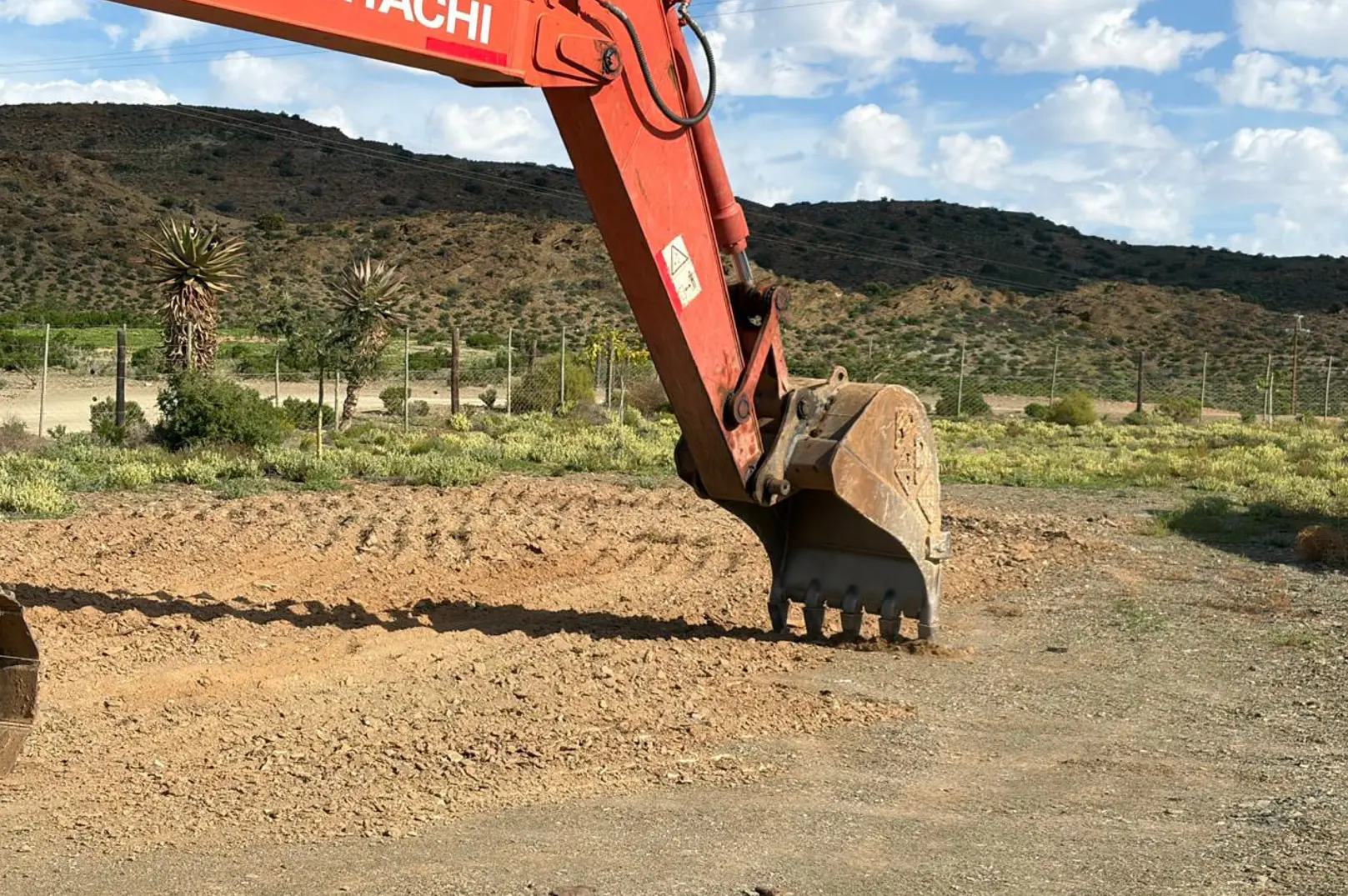
Soil rehabilitation
Ongoing rehabilitation work aimed at reducing erosion, stabilising vulnerable terrain, and improving long-term soil resilience across the reserve.
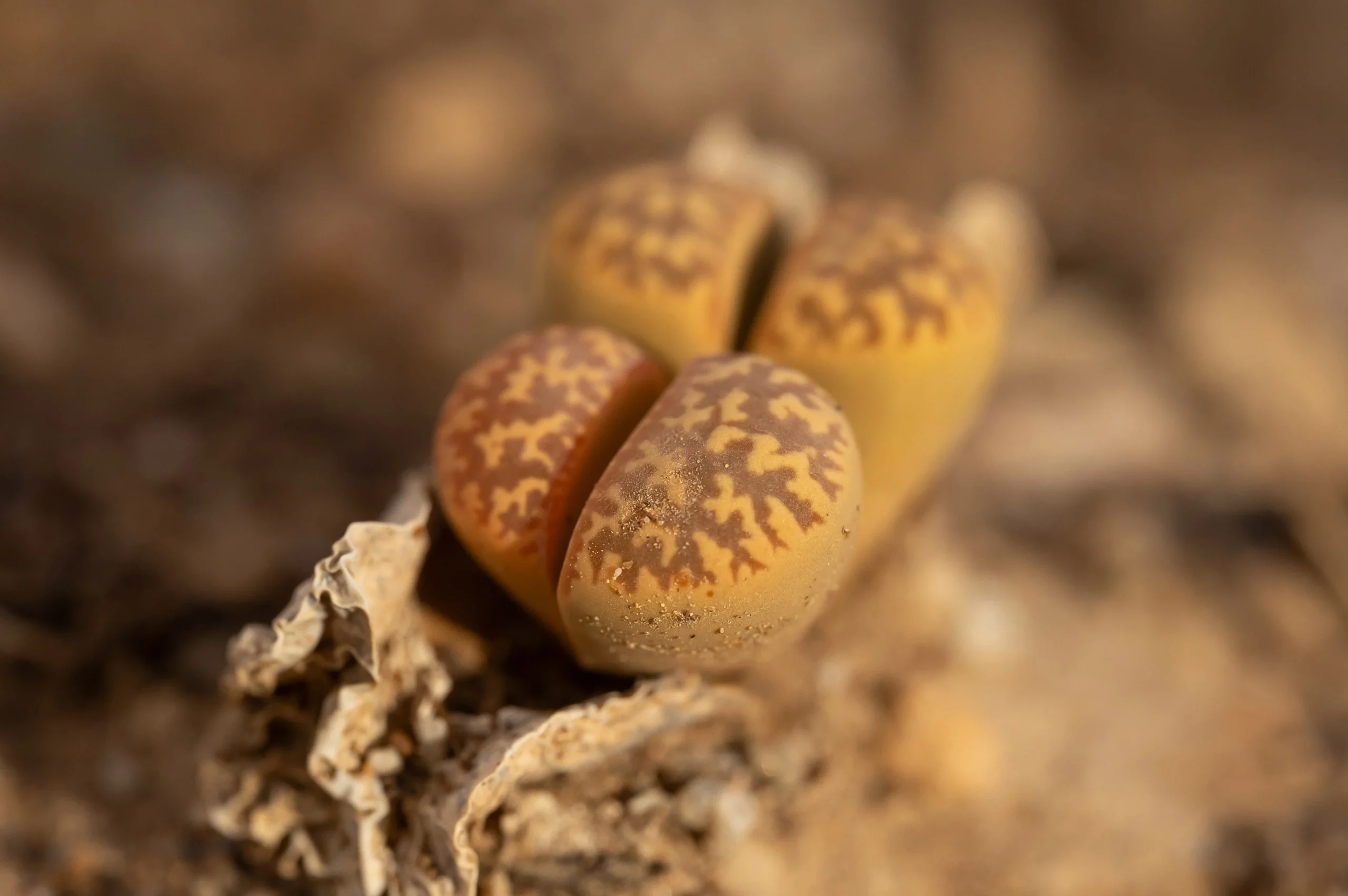
Succulent habitat conservation
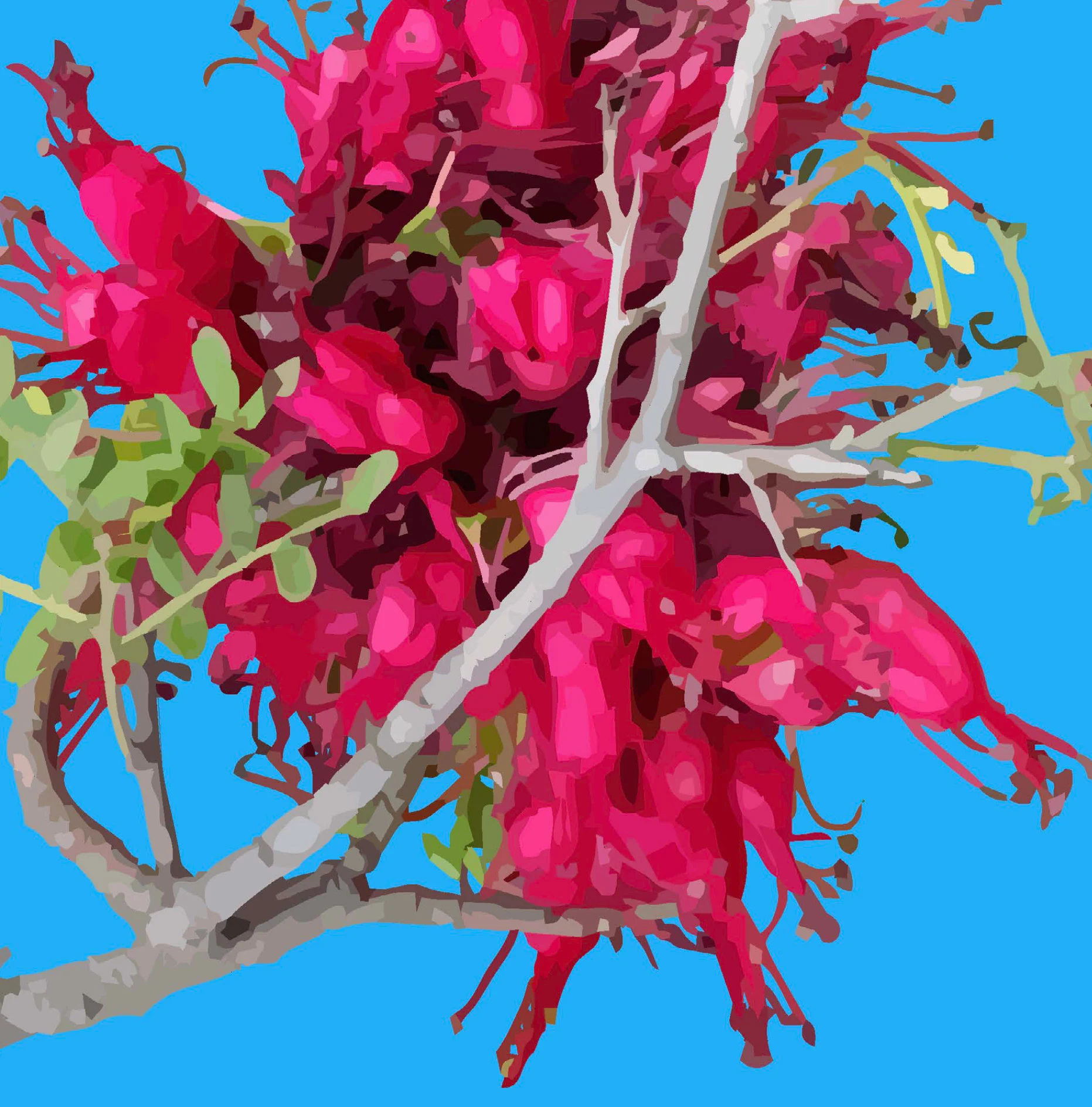
Targeted protection and regeneration of quartz-field ecosystems and indigenous succulent habitats unique to the Succulent Karoo.
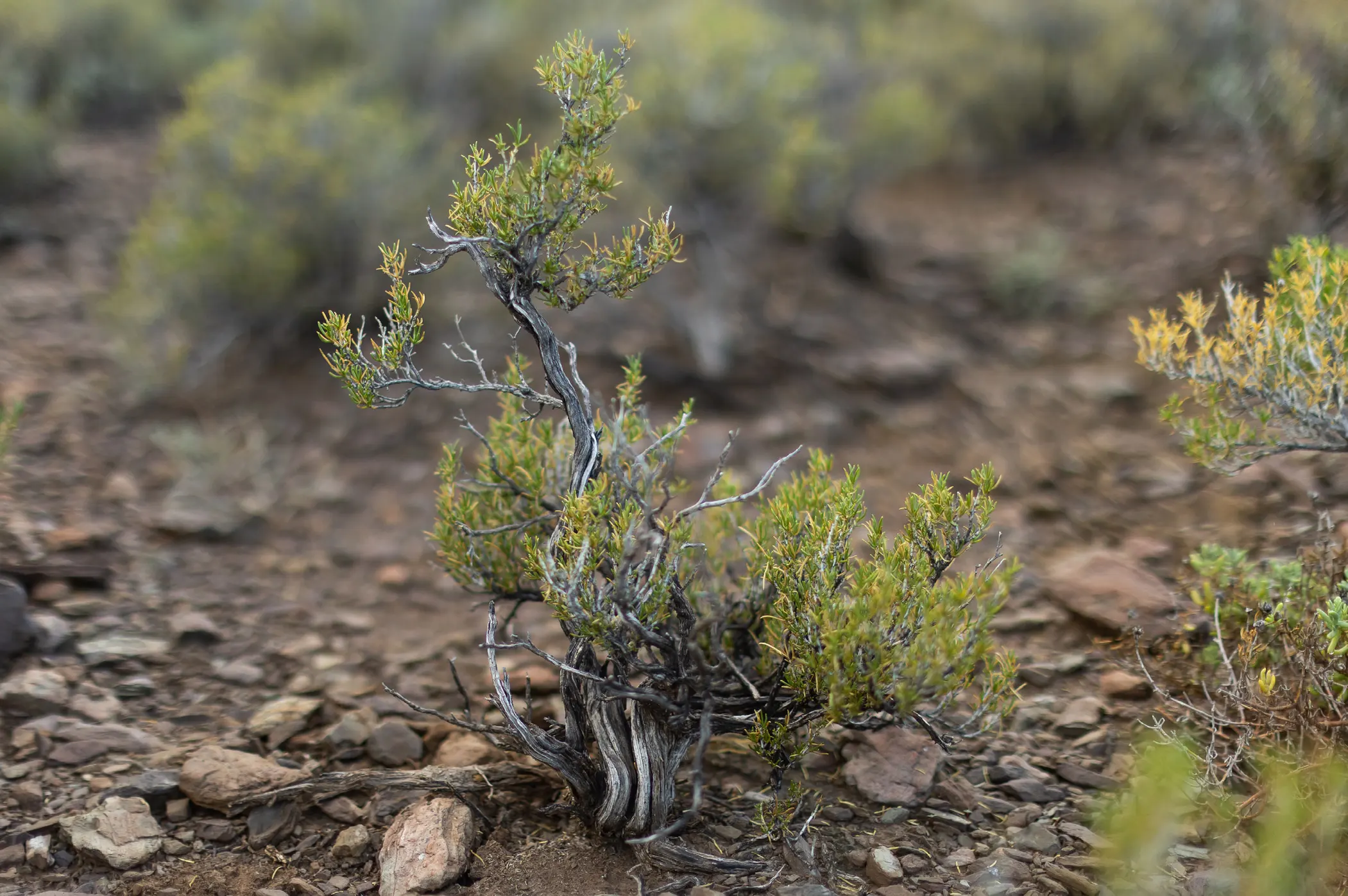
Habitat stewardship
Careful management of ecologically sensitive areas to support biodiversity and protect endemic plant species.
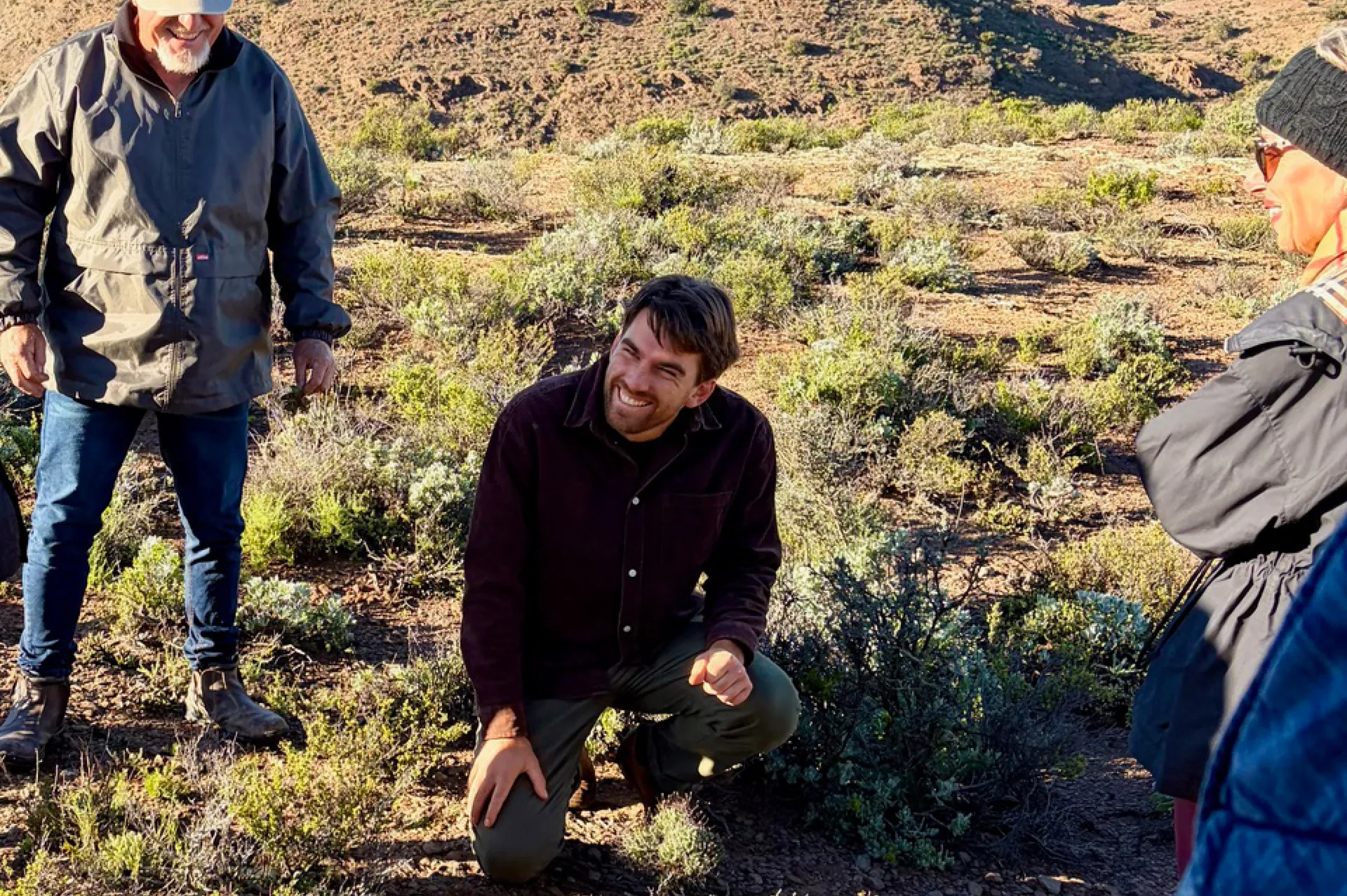
Ecological Monitoring
Continual observation and management of vegetation, wildlife, and environmental systems to support long-term ecological stability across the reserve.
Soil rehabilitation
Ongoing rehabilitation work aimed at reducing erosion, stabilising vulnerable terrain, and improving long-term soil resilience across the reserve.
Habitat stewardship
Careful management of ecologically sensitive areas to support biodiversity and protect endemic plant species.
Succulent habitat conservation
Targeted protection and regeneration of quartz-field ecosystems and indigenous succulent habitats unique to the Succulent Karoo.
Ecological monitoring
Continual observation and management of vegetation, wildlife, and environmental systems to support long-term ecological stability across the reserve.
WATER & RESOURCE
Stewardship
Responsibility in a Semi-Arid Landcape
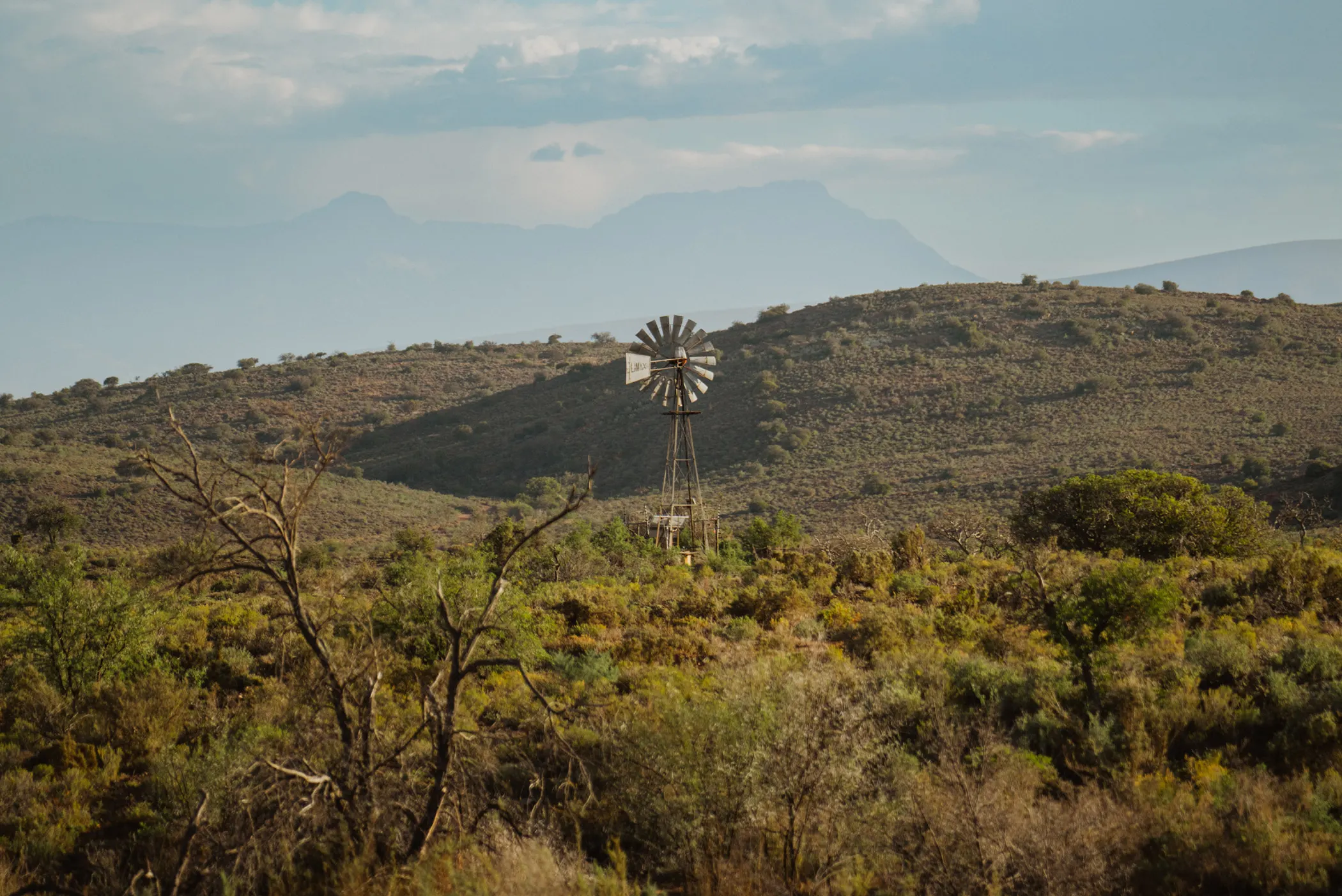
Operating within the semi-arid environment of the Klein Karoo requires careful long-term management of water and natural resources. Across the reserve, infrastructure and operational systems are designed to support responsible usage, environmental resilience, and reduced resource intensity.
This includes water purification and supply systems, low-impact infrastructure, responsible usage practices across all accommodation, and ongoing investment in resource-efficient operations suited to the realities of the Karoo climate.
The objective is not simply to reduce impact, but to ensure the long-term resilience and sustainability of the reserve within an increasingly water-sensitive environment.
EDUCATION THROUGH
Experience
Understanding the Landscape
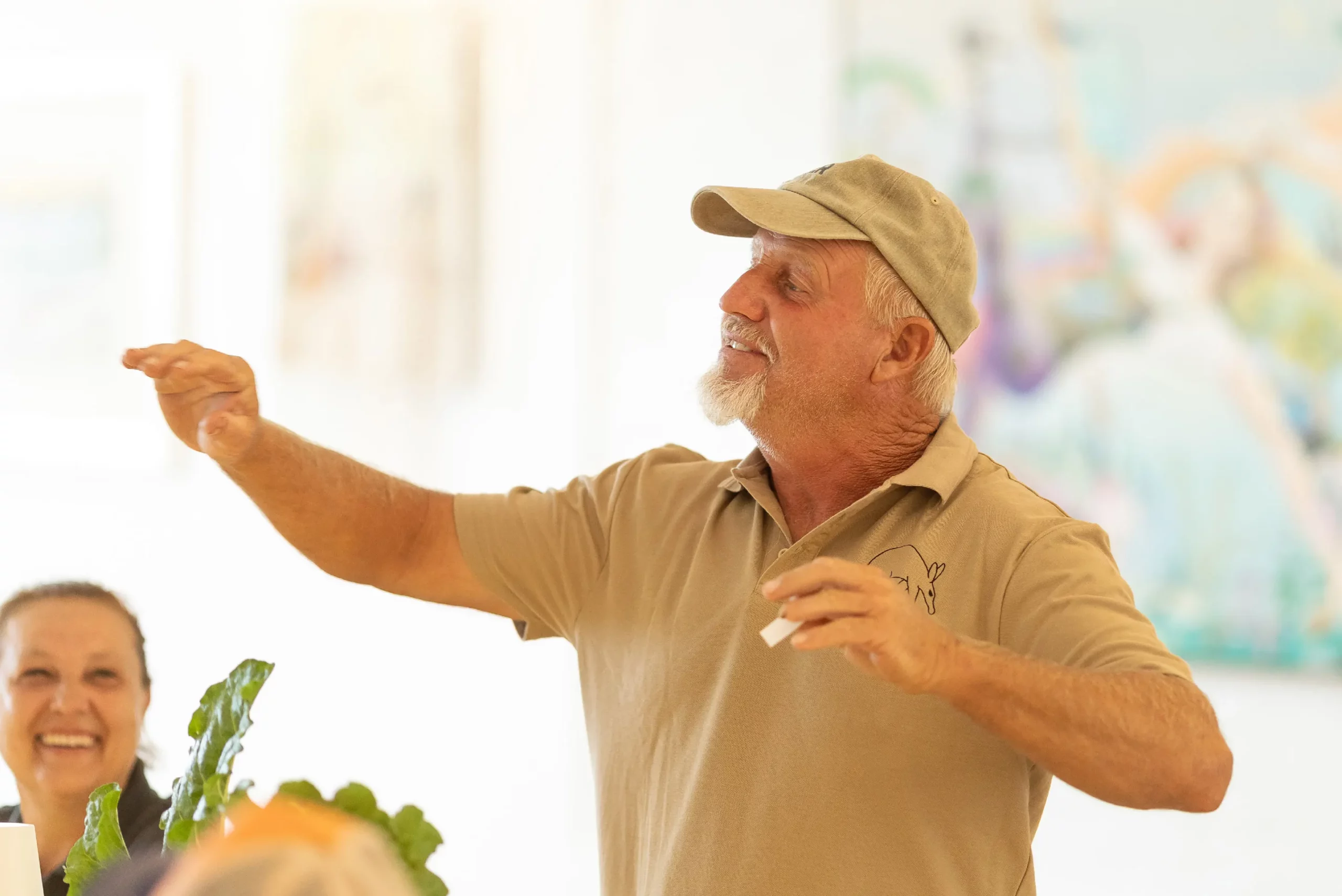
At Aardvark, conservation forms part of the experience of the reserve itself. Through guided nature drives, walks, and informal conversation, guests are encouraged to develop a deeper understanding of the ecology, geology, plant life, and environmental systems that shape the Succulent Karoo.
Rather than a formal educational programme, the approach remains observational and place-based — allowing the landscape, its complexity, and its ecological sensitivity to reveal themselves gradually through time spent within the reserve.


@AARDVARK_BIORESERVE_SA
Join our community and share your unique #aardvark_bioreserve_sa experience with the world.